
Running on the beach, whether it’s a shingled or sandy surface, offers a unique and refreshing workout with added benefits including increased resistance, which helps build strength and stamina. To run effectively on the beach, focus on using shorter strides and maintain good posture to keep balance. This approach not only makes your run more efficient but also reduces the risk of injury.
In Portsmouth, there are remarkable spots to enjoy your beach run. The Portsmouth & Hayling Island waterfront offers stunning views from Spinnaker Tower to Southsea. This is an ideal location for a scenic and invigorating run.
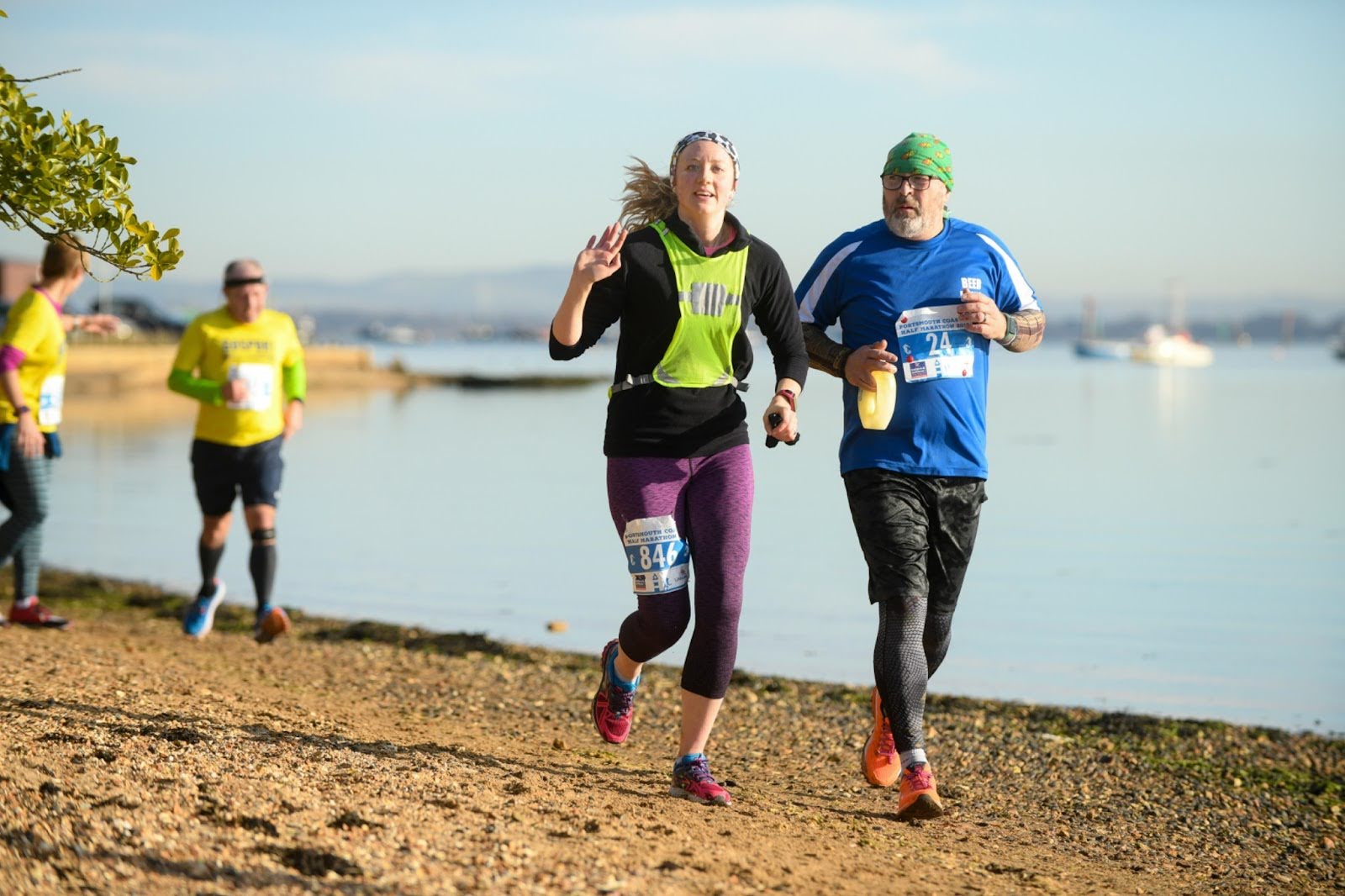 You can also explore other great options for running routes in Portsmouth, with diverse trails to match different preferences and fitness levels.
The fundamentals of beach running
Beach running offers a unique workout that challenges muscles differently compared to other running terrains. Key elements include adapting to softer sand or shifting shingles, managing the unstable surface and understanding how the surface’s moisture levels impact your run.
Understanding the beach terrain
Running on the beach involves various types of surfaces. Dry sand is soft and can shift under your feet, providing a less stable surface. This requires more effort and engages different muscles, including your calves and ankles.
In contrast, wet sand near the waterline is usually packed tighter, offering a firmer surface that is easier to run on. This packed sand can still have hidden dips and can be angled, which might increase the risk of ankle sprains. Running on an angled surface might help if you want to strengthen specific muscles but be cautious to avoid injury.
Let’s not forget shingle beaches too — a mainstay of the Portsmouth coast. While completely different to sand on the surface of it, they have a lot of similarities. Shingles offer an uneven and unstable surface, as the rocks are more likely to shift as you run across them.
The science of shingle and sand running
Soft sand acts like resistance training for your legs. It absorbs more impact, demanding more energy for each step. This can improve your balance and strength over time as you stabilise your body on the unstable surface.
Scientists note that running on firmer surfaces like the boardwalk or even firmer, wet sand can reduce the risk of injuries. However, running on softer sand is beneficial for low-impact training. Choose stable surfaces or mix up your run between hard and soft sand to balance the workout intensity with safety. West Wittering Beach is a great option for sandy surfaces on the south coast.
Shingles offer a harder surface, but one that is uneven and prone to shifting. We recommend taking shorter strides as you run on one of Portsmouth’s beloved shingle beaches. If you’re new to shingle surface, start slowly with short runs to build up your ability on this unique surface. You won’t be short of shingle beaches in Hampshire, with options including Southsea and Eastney Beach.
 Optimising your beach run
Running on the beach is a unique experience that can boost your fitness and overall running skills. By focusing on preparation, technique, gear and route selection, you can make the most of your beach runs while minimising injury risks and enhancing your performance.
Preparation and safety
Before heading out for a beach run, prepare wisely. Ensure you have a water bottle, especially on hot days, to avoid the risk of dehydration. To protect your feet from sharp objects, rogue stones and hot sand, consider running in supportive shoes or a pair designed for beach running. These can provide a softer landing and reduce the impact on weight-bearing joints.
Perform dynamic stretches like leg swings to prepare your leg muscles and improve balance. Keep an eye on tides and weather conditions to avoid unexpected challenges. Beach running is rewarding, but it’s essential to prioritise safety.
Training techniques and strategies
Beach running demands a different approach compared to running on a paved road. Stone and sand running provides resistance that boosts cardiovascular endurance and strengthens leg muscles. For beginners, start on firm, wet sand, and gradually move to loose sand or shingles as you become more confident and comfortable.
Don’t forget to listen to your body; muscle soreness is common, so pace your workouts to avoid injury. Engaging a personal trainer can offer tailored tips and techniques to achieve specific goals.
Selecting the right gear
Optimal gear enhances your beach workout experience. Select beach running shoes or go barefoot on a sand beach if conditions allow. Barefoot running can be beneficial but watch out for sharp objects and hot sand — and don’t try this on shingle beaches. Lightweight, moisture-wicking clothing helps regulate body temperature.
Consider wearing a heart rate monitor to gauge physical performance and track progress.
Running in Portsmouth and Hampshire
Whether you’re a local or a visitor to the area, Portsmouth and wider Hampshire are the perfect place for beach running, thanks to our unrivalled beach offerings. From our many shingle beaches to pebble and sand options, you won’t be short of beach running possibilities.
Beach running routes in Portsmouth
Portsmouth offers beautiful beaches for your beach training. A popular route starts at Spinnaker Tower and extends to Southsea, covering a distance of 4.4 miles. You’ll enjoy stunning water views along the way, making it a perfect choice for both beginner and experienced runners.
The Portsmouth Castle and Southsea Beach route is an almost-7 km stretch of shingle beach that offers beautiful views and a relatively flat terrain that’s perfect for beginners and those looking to take extra care in avoiding injury. Long-distance runners can mix up their beach terrain with paths and grassy patches on the Langstone Harbour waterside circular route to test out their balance skills.
More running options
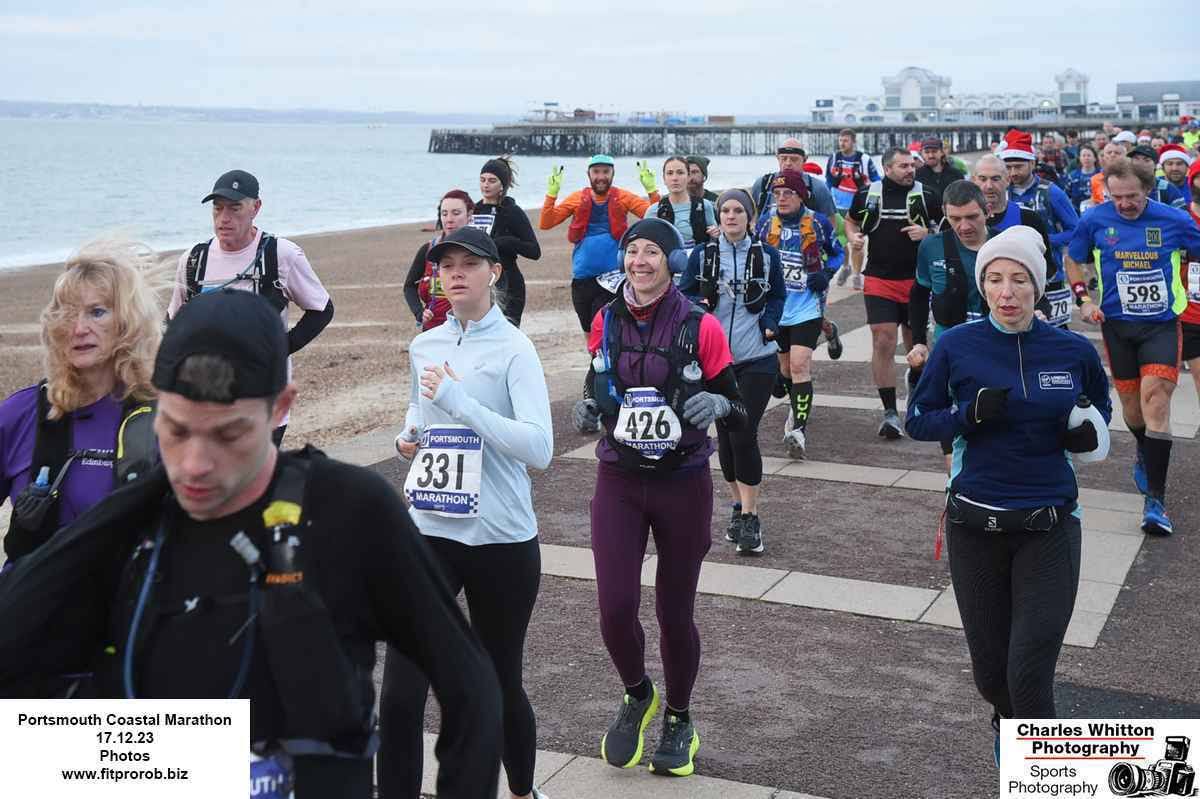
Beach running isn’t the only option available to you on the beautiful south coast. Believe & Achieve hosts running events throughout the year that take you along breathtaking coastal paths on the roads and promenades, as well as plenty of other scenic routes throughout the city and neighbouring areas like Fareham. It’s a great option if you want the views, but you’re concerned about the injury risks of beach running.
Check out our running, cycling and kayaking events — there are plenty of ways to stay active while enjoying unparalleled views of both our historic and modern surroundings, natural landscapes and the rolling waves of the sea.
Check out our recommendations for the best running routes in Portsmouth.
 Frequently asked questions
Beach running offers unique challenges and benefits compared to traditional pavement running. Here, you’ll find useful information on the best locations, techniques and equipment for beach running in Portsmouth.
Is running on sand or shingle beneficial compared to running on pavement?
Running on sand or shingle beaches can be more challenging due to its soft surface, which requires more effort and engages different muscle groups. This can improve your balance and strength over time. However, be cautious, as it might cause strain if you’re not accustomed to it.
What type of footwear is recommended for beach running?
A minimalist shoe that offers flexibility is ideal for beach running. Some prefer going barefoot on soft sand for a more natural feel, but this depends on the sand condition and personal comfort. Ensure your footwear provides good grip and support to prevent slips and falls.
How do I adapt my running technique for sandy and shingle terrain?
Running on sand and shingles alike requires a shorter stride and a slightly faster cadence. This helps in maintaining balance and reduces effort. Focus on landing gently to minimise the impact of the uneven surfaces.
What precautions should be taken when running on the beach during different weather conditions?
Dress appropriately for the weather, considering the wind and temperature. On hot days, wear sunscreen and a hat to protect against the sun. In colder conditions, layer your clothing to stay warm. Be mindful of tides and slippery areas to avoid accidents.
Are there organised beach running groups or events in Portsmouth that I can join?
Yes, you can join the Believe & Achieve running group! Our runs aren’t just limited to beaches, but all different types of terrains and locations. From fun runs to more competitive races, we offer something for everyone.
