
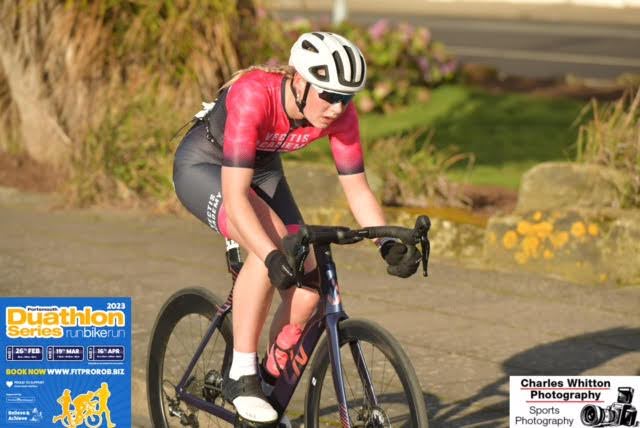
Cycling is an exciting hobby that not only gets you outdoors but also improves your health and fitness. To start cycling, you’ll need to pick the right bike for your needs, ensuring it fits your riding style and comfort. Once you have your bike, you can gradually gain skills and confidence on the road.
Investing in the right cycling gear, like a helmet and comfortable clothing, can make a big difference in your experience. You can also join local cycling communities that share routes and organise group rides. This helps you stay motivated and discover the best paths and trails.
Maintaining your bike is crucial for safety and performance. Simple tasks like checking tyre pressure and keeping the chain clean can prevent issues on the road. By setting realistic goals and tracking your progress, you can steadily improve and enjoy your cycling journey.
Key takeaways
- Choose a bike that fits your needs and comfort.
- Proper gear and community support enhance your cycling experience.
- Regular maintenance keeps your bike safe and efficient.
Understanding the benefits of cycling
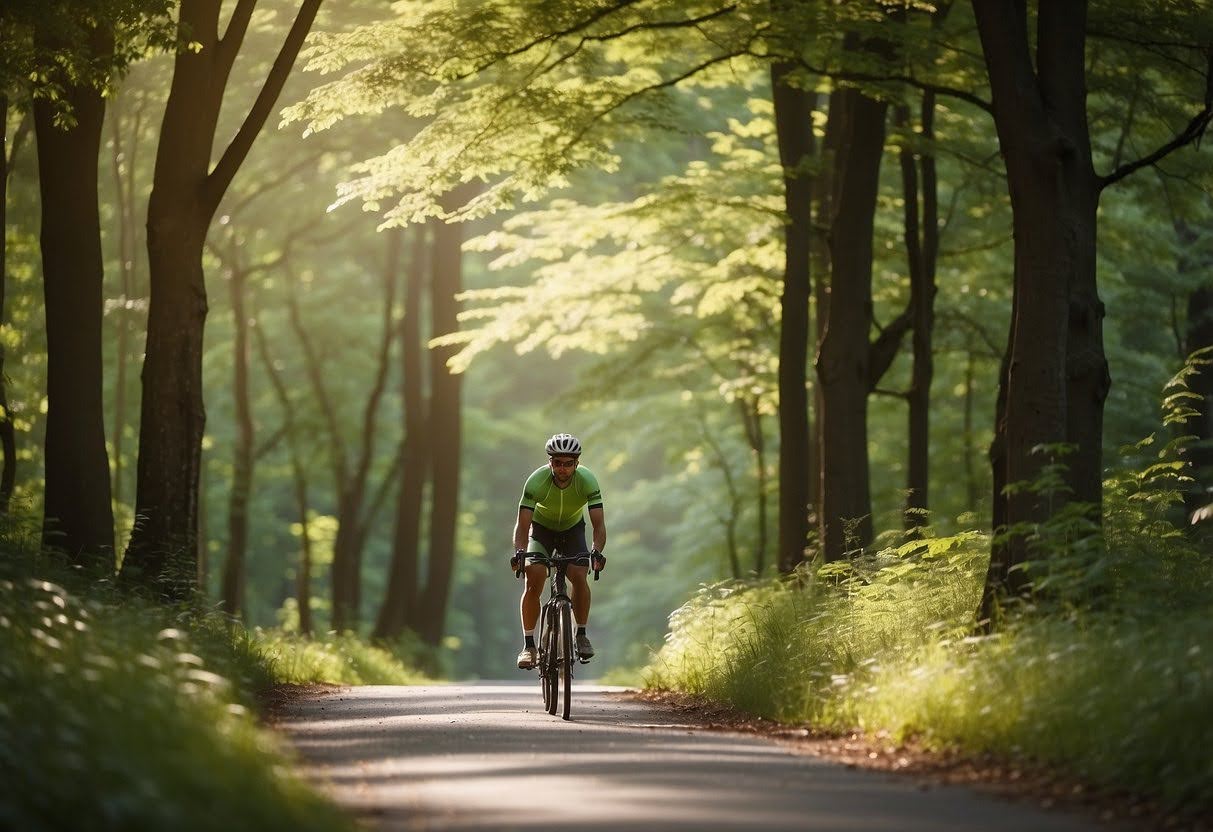
Cycling offers numerous perks, from boosting your health and fitness to positively impacting the environment and enhancing your social and mental wellbeing. It provides a well-rounded approach to wellness and sustainability.
Health and fitness advantages
Cycling is an excellent cardiovascular workout. It helps improve your heart health by strengthening your heart muscles and reducing the risk of heart disease. Regular cycling also helps you maintain a healthy weight by burning calories and increasing your metabolism.
This exercise is also great for your muscle tone and strength. It targets your legs, hips and buttocks. Unlike some other sports, cycling puts minimal stress on your joints, making it a low-impact exercise.
Additionally, cycling can improve your lung health. It encourages deep breathing and enhances your respiratory capacity. Overall, it’s a comprehensive exercise that improves stamina and overall physical fitness.
Environmental impact
Cycling is an eco-friendly mode of transportation. By choosing to bike instead of driving, you help reduce air pollution and carbon emissions. This makes cycling a great way to contribute to a cleaner environment.
Bicycles do not require fuel, which decreases our reliance on non-renewable energy sources. By cycling, you also help reduce traffic congestion, which further lowers vehicle emissions and improves air quality in urban areas.
Cycling also requires fewer resources to manufacture and maintain compared to motor vehicles. This means less environmental impact from production and disposal. Choosing cycling can be a powerful personal action towards environmental sustainability.
Social and mental wellbeing
Cycling has the ability to improve your mental health. Physical activity releases endorphins, which help reduce stress, anxiety and depression. A regular cycling routine can boost your mood and mental clarity.
For many, cycling also offers social benefits. It can be enjoyed as a group activity, promoting social interaction and building relationships. Joining a cycling club or participating in community rides can give you a sense of belonging and improve your social wellbeing.
Riding outdoors connects you with nature, which can be refreshing and relaxing. This exposure to natural environments can further enhance your mental health by reducing stress and promoting a feeling of wellbeing.
Cycling is a versatile hobby that brings many benefits to your health, the environment and your social life.
Choosing the right bicycle
Selecting the right bicycle involves understanding the different types available, ensuring proper sizing and fit, and considering your budget.
Types of bicycles
There are several types of bicycles, each designed for specific purposes. Road bikes are built for speed on paved roads. They have skinny tyres and light frames. Mountain bikes are ideal for rough terrains, featuring wide tyres and sturdy frames. They provide better control on trails. Hybrid bikes combine features of road and mountain bikes, making them perfect for city commuting and light off-road use. Folding bikes are compact and can be carried easily on public transport, making them a great option for urban commuters. Understanding the purpose of each type will help you make an informed choice.
Sizing and fit
The right bicycle should fit you well to ensure comfort and efficiency. Measure your height and inseam to find the correct frame size. Bike shops often provide sizing charts for reference. Test rides are crucial; they allow you to feel if the bike’s geometry suits you. The saddle height should allow a slight bend in your knee when the pedal is at its lowest point. Handlebars should be easily reachable without straining your back or shoulders. Proper fit reduces the risk of injuries and enhances your riding experience.
Budget considerations
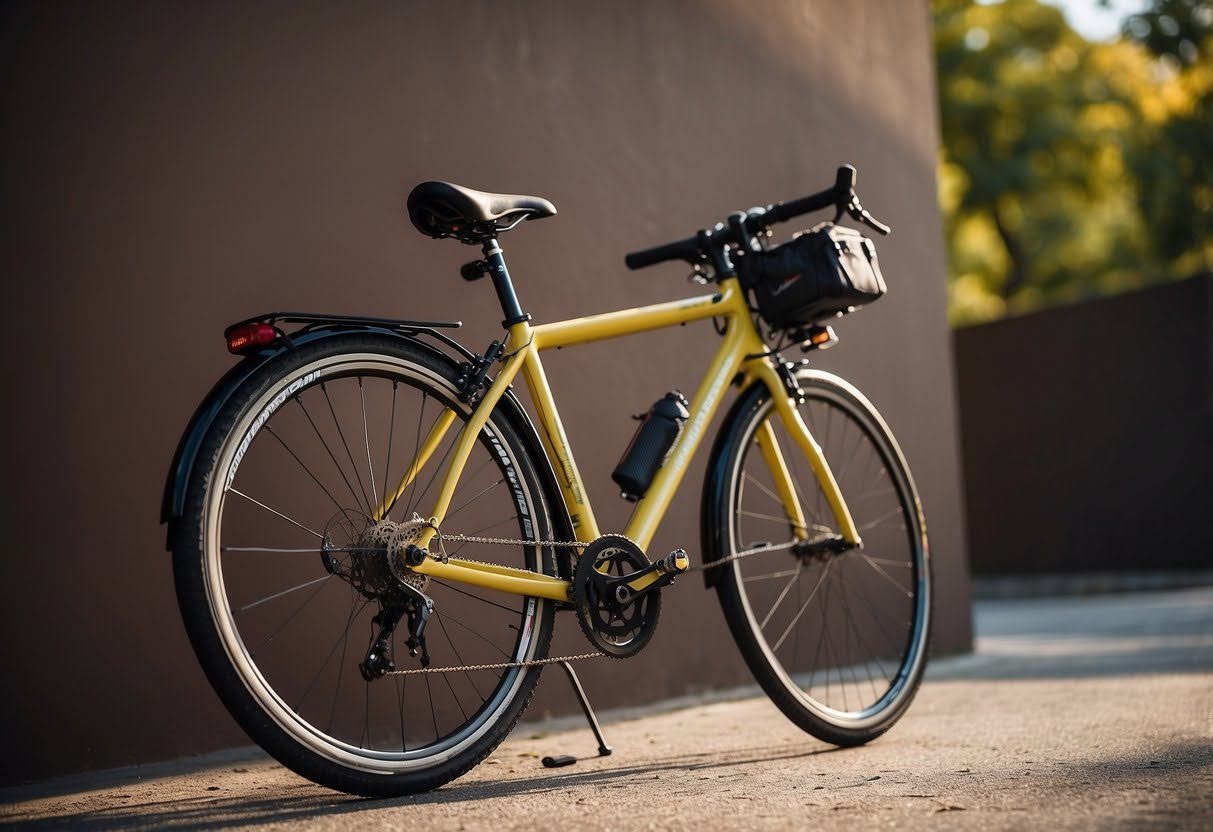
Bicycles come in a wide range of prices, so firstly you’ll need to determine how much you’re willing to spend. Entry-level bikes are suitable for beginners and are less expensive. Higher-tier bikes are lightweight and have better components. They’re more durable and provide a smoother ride. You’ll also need to consider additional costs for accessories like helmets, lights and locks, plus maintenance costs. Deciding on your budget beforehand will help you narrow down your options and avoid overspending.
Essential cycling gear and accessories
Getting into cycling requires some essential gear for safety, comfort and maintenance. You need a good helmet, comfortable clothing, and some basic tools to keep your bike in top shape.
Safety equipment
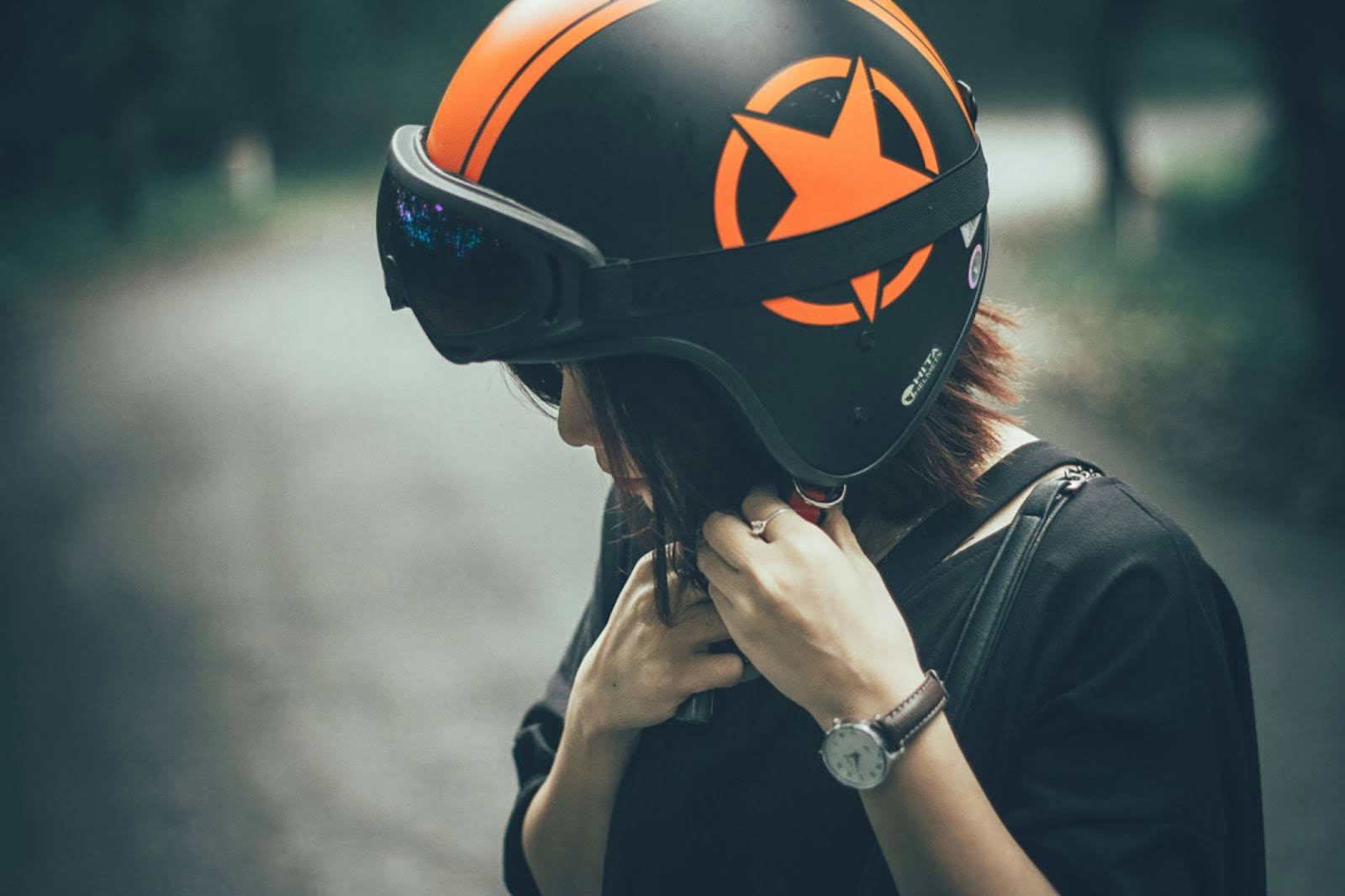
Safety is the most important aspect of cycling. You should always wear a helmet to protect your head in case of falls. Go for a helmet that fits well and meets the safety standards EN 1078 (adults) or EN 1080 (children).
Lights are crucial for visibility, especially if you ride at dawn, dusk or night. A front white light and a rear red light are recommended. As well as your own lights, reflective gear or a high-visibility vest helps you stand out to drivers. Consider adding reflective stickers to your bike as well.
A bell or horn is useful for alerting others to your presence. It’s a simple way to prevent accidents, especially in crowded areas.
Clothing for comfort and performance
Wearing the right clothing can greatly improve your cycling experience. A well-fitted cycling jersey wicks away moisture and keeps you cool. Look for jerseys with pockets to carry small items.
Cycling shorts with padding (also known as bib shorts) reduce friction and provide comfort on long rides. They help prevent saddle sores and make pedalling easier.
Invest in good cycling gloves to protect your hands and improve grip. They also reduce the impact on your hands and wrists.
For colder weather, layer up with a cycling jacket and thermal base layers. Windproof and waterproof options are available for extra protection.
Must-have tools for maintenance
Keeping your bike in good shape requires a few essential tools:
- A pump is necessary for maintaining the correct tyre pressure. Look for a portable mini-pump to carry on rides.
- A multi-tool includes multiple bike-specific tools like screwdrivers and wrenches. It’s compact and handy for on-the-go adjustments.
- Tyre levers help you remove tyres when you need to fix a flat. Carry a spare inner tube or patch kit to address punctures quickly.
- A chain lubricant keeps your bike’s chain running smoothly. Regular cleaning and lubing can prevent wear and tear.
- A bike lock is essential if you plan to leave your bike unattended. Choose a sturdy lock to prevent theft and keep your bike secure.
Learning basic cycling skills
Before you can fully enjoy cycling, it’s important to focus on riding techniques and understanding traffic rules and safety. These skills will help you ride confidently and stay safe on the road.
Riding techniques
Start by mastering bike control. Practice riding in a straight line, making smooth turns and stopping efficiently. This will help you handle your bike better in various situations. Set up your bike properly, ensuring the seat height and handlebar position are correct for comfort and control.
Next, work on your pedalling technique. Try to maintain a smooth and consistent pedal stroke by keeping a steady cadence of about 70-90 revolutions per minute.
Proper posture is important:
- Sit upright with your back straight.
- Keep your elbows slightly bent to absorb bumps.
- Look ahead to anticipate obstacles.
Practising these basics will improve your overall riding experience and build confidence.
 Traffic rules and safety
Understanding and following traffic rules is necessary for safe cycling, especially in busy areas. Here are some quick fire rules and tips:
- Always ride in the same direction as traffic.
- Use hand signals to indicate turns or stops – these signals make your intentions clear to drivers and other cyclists.
- Wear a helmet every time you ride.
- Reflective clothing and bike lights are important, especially when riding at night or in low-light conditions.
- Familiarise yourself with cycling-specific rules.
- Use dedicated bike lanes where available, and be aware of local cycling regulations.
- Keep a safe distance from parked cars to avoid sudden door openings.
By following traffic rules and prioritising safety, you will reduce the risk of accidents and enjoy a smoother ride.
Maintenance and upkeep of your bicycle
Keeping your bike in good shape ensures it runs smoothly and lasts longer. Regular cleaning and routine checks are key to this maintenance.
Regular cleaning
It’s important to clean your bike regularly to prevent dirt and grime from building up.
- Start by wiping down the frame with a damp cloth to remove dust and mud. Pay close attention to the chain, gears and brakes.
- Use a mild detergent mixed with water to gently scrub these parts. Avoid using a high-pressure hose, as it can force water into bearings and other delicate parts, causing damage.
- Dry the bike with a clean towel to prevent rust.
- Apply chain lube to keep the chain running smoothly. There are two types of chain lube: wet and dry. Wet lube is suitable for wet conditions, while dry lube works best in dry weather. Make sure to wipe off any excess lube to avoid attracting more dirt.
- Clean your bike regularly, especially after riding in wet or muddy conditions.
Routine checks and servicing
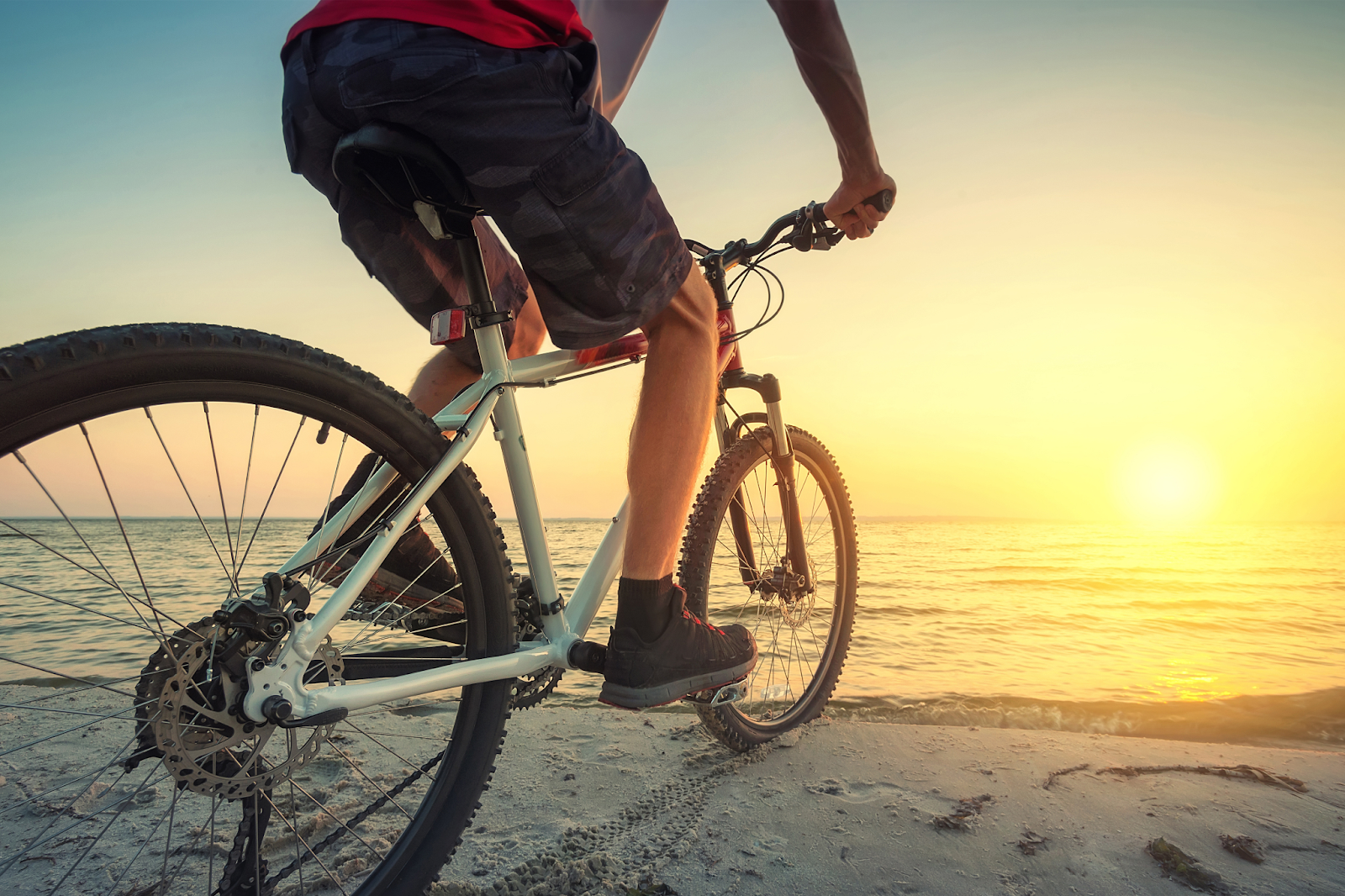
Regular checks and servicing play a role in bike maintenance. There are some essential checks you should carry out regularly to keep your bike in tip-top condition:
- Inspect the tyres for any cuts or worn-out spots. Ensure they are inflated to the correct pressure by using a tyre gauge.
- Check the brakes to make sure they’re responsive and look at the brake pads for signs of wear, replacing them if necessary.
- Examine the gear system to ensure smooth shifting.
- Lubricate the chain and gears, focusing on these components.
- Check the bolts and screws periodically to ensure they are tight. Pay attention to the headset, pedals and crankset.
Properly maintained bikes perform better and reduce the need for costly repairs. Taking your bike to a professional for a detailed service at least once a year is a good idea.
Finding cycling routes and communities
Knowing where to cycle and finding like-minded people to ride with can enhance your enjoyment and improve your skills. Focus on local trails and bike paths for solo rides, and consider joining clubs to connect with fellow cyclists.
Local trails and bike paths
Exploring local trails and bike paths can be a great way to start your cycling journey. Many towns and cities have designated cycling routes that are safe and scenic. If you’re based outside of the Portsmouth area, you can check your local council’s website for maps and information about these paths.
Visiting parks is another excellent way to find cycling routes. Parks often have well-maintained paths that cater to both beginners and experienced cyclists. You can start with short rides and gradually extend your routes as you build confidence.
Technology can be your friend here. Apps like Strava and Komoot offer route planning and allow you to discover popular trails in your area. You can also use these apps to track your rides and set goals.
 Joining cycling clubs and groups
Joining a cycling club or group can greatly improve your experience. Most clubs offer a variety of cycling events, such as social rides, training sessions and even multisport races like triathlons. This provides a structured environment where you can learn from more experienced cyclists. Look for clubs that match your interests, whether it’s road cycling, mountain biking or casual rides.
Online communities can also be helpful. Websites and social media platforms often have groups where you can find local events and fellow cyclists. Engaging in these communities can keep you motivated and informed about upcoming rides and events.
We offer a range of cycling, running and kayaking events in and around the Portsmouth area, with a vibrant community feel. Explore our cycling events.
Setting goals and tracking progress
Setting clear goals and effectively tracking your progress can help you stay motivated and improve your cycling skills. Focus on endurance, which is crucial for longer rides and overall fitness.
Training for endurance
Endurance is essential for cyclists. To build endurance, start with longer rides at a moderate pace. Aim to gradually increase the distance by 10-15% each week. For example, if you start with a 20km ride, try to make your next ride 22 km to 23 km. This helps your body adapt without causing too much strain.
Interval training is another useful method. This involves alternating between high-intensity efforts and low-intensity recovery periods. For instance, cycle hard for five minutes, then pedal lightly for two minutes. Repeat this cycle several times throughout your ride.
Consistency is key. Make a schedule and stick to it. Try to ride at least three times a week. Mix up your routes and terrains to keep things interesting and challenge different muscle groups.
Nutrition and hydration play a vital role. Eat a balanced diet rich in carbohydrates, proteins and healthy fats. Stay hydrated by drinking water before, during and after your rides, and if you’re going for a long ride, consider carrying an electrolyte drink.
Tracking your progress can be highly motivating. Use cycling apps or a GPS device to monitor your distance, speed, and elevation. Record your times and see how they improve over time. Setting SMART goals – specific, measurable, achievable, relevant and time-bound – can give you a clear focus.
By combining long rides, interval training, consistent efforts, good nutrition and progress tracking, you’ll build your cycling endurance more effectively.
Preparing for different weather conditions
Cycling can be enjoyable in various weather conditions with the right preparation. Whether it’s raining, windy, hot or cold, having the appropriate gear and tips will ensure a safe and pleasant ride.
Riding in rain and wind
Cycling in the rain requires a few essential items. Start with a good waterproof jacket to keep you dry and comfortable. Waterproof trousers and overshoes are also useful. For visibility, make sure your bike lights are bright and functioning properly.
In windy conditions, position yourself lower on the bike by bending your elbows and leaning forward, reducing your wind resistance. Take extra caution when riding near vehicles, as wind gusts can shift your balance. Keep a firm grip on the handlebars.
Mudguards can help keep water and mud off you and your bike. This is particularly useful for maintaining visibility and cleanliness. Checking your brakes regularly is important too, as wet conditions can affect their performance.
Cycling in icy conditions
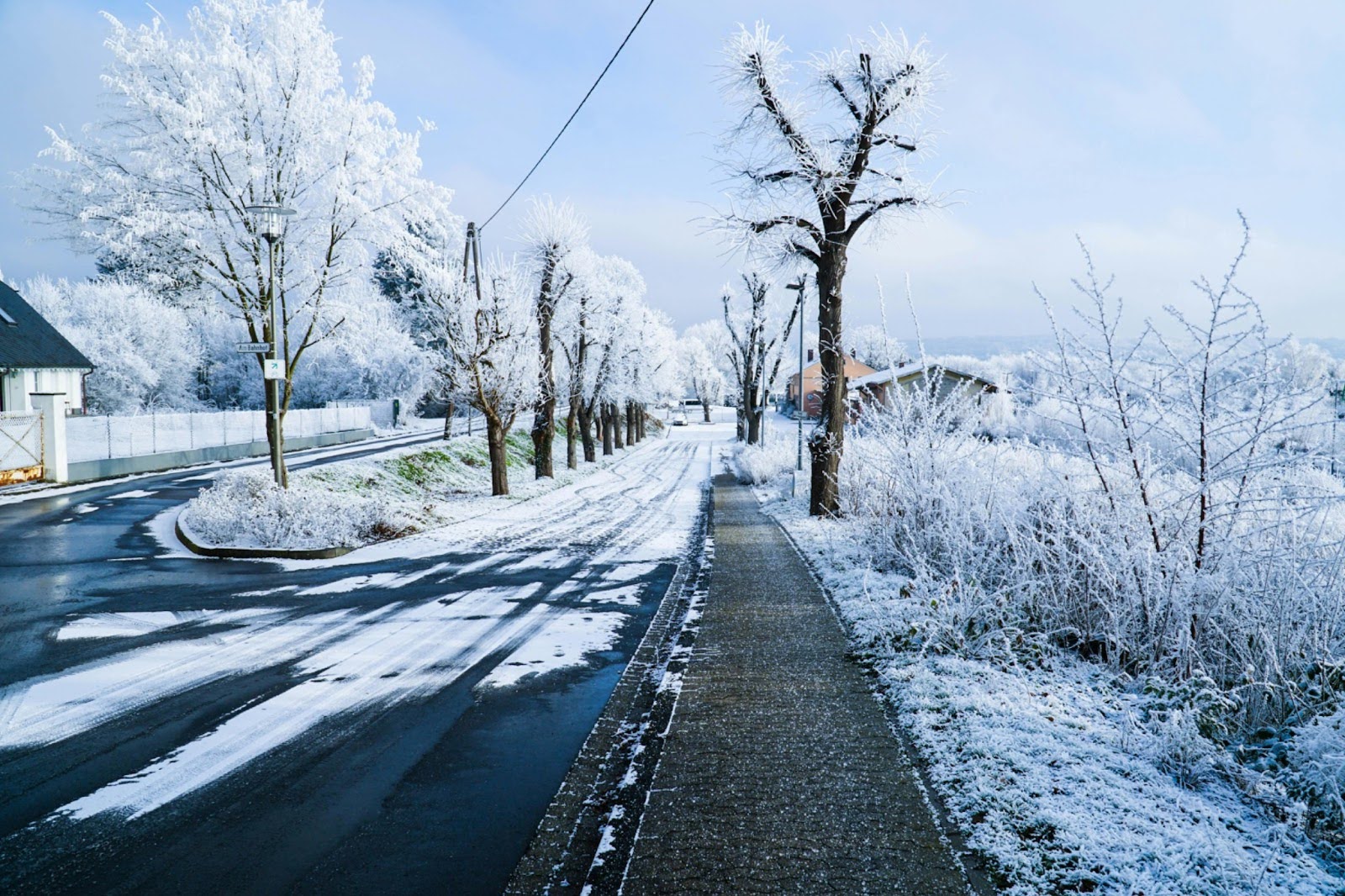
UK winters often bring snow and ice with them, so it’s important to know how to cycle safely in these more hazardous conditions.
Where possible, avoid untreated areas when it’s especially icy – stick to roads and paths that have been gritted to make sure you’re cycling safely. You should also take care to avoid hazards that may be even slippier, like drain and manhole covers.
Because of these slippier conditions, it’s also important to allow more braking time – this is because your tyre grip may be reduced.
It’s also a good idea to warm up before you head out on your bike – if you’re not freezing for the first part of your journey as your body heats up, it’ll be much easier and feel better.
 Adapting to extreme temperatures
In hot weather, staying hydrated is crucial. Carry plenty of water and drink consistently throughout your ride. Wear lightweight, light-coloured clothing to reflect the sun’s rays, and protect yourself with sunscreen and sunglasses to avoid sunburn and glare.
When facing cold weather, layer your clothing. Start with a moisture-wicking base layer, add an insulating middle layer, and finish with a waterproof and windproof outer layer. Thermal gloves and socks will keep your extremities warm. A good helmet with an insulating liner can protect your head from the cold.
On very hot or cold days, it can be sensible to avoid cycling during the peak temperature times of the day. Early mornings and late afternoons are usually more manageable. Be mindful of signs of heat exhaustion or hypothermia and respond quickly if you feel unwell.
Frequently asked questions
Cycling can be an enjoyable and rewarding hobby. This section covers essential equipment, training advice, safety measures and tips on how older adults can get started.
What essential equipment do beginners need to start cycling?
Begin with a suitable bike that fits your body and the type of cycling you’ll do.
You’ll also need a helmet, comfortable clothing and a water bottle. Items like padded shorts, gloves and bike lights improve your comfort and safety.
 What is the best way for a beginner to train for cycling?
Start with short rides of about 15-20 minutes, focusing on consistency. Aim for 3-4 rides a week.
Increase the duration gradually. Begin on flat terrain and progress to more challenging routes as your fitness improves.
How can beginners effectively lose weight through cycling?
Cycling regularly helps burn calories. Combine it with a healthy diet for best results.
Start with moderate rides and increase intensity over time. Riding on varied terrains also helps to burn more calories.
What safety tips should cyclists follow when riding on the road?
- Always wear a helmet and reflective gear.
- Follow traffic rules and use hand signals.
- Stay alert and avoid distractions like headphones.
- Use bike lanes where available.
- Ensure your bike is in good condition, especially the brakes and lights.
How can individuals over 50 safely take up cycling as a hobby?
Choose a comfortable bike, possibly with a step-through frame.
Start slowly with short, easy rides and build up gradually to avoid strain. Check with your doctor if you have any health concerns that may be affected by cycling.
What strategies can make long-distance cycling more enjoyable for new cyclists?
- Plan your route in advance, including rest stops.
- Stay hydrated and bring snacks to maintain energy levels.
- Wear comfortable clothing and use proper cycling gear.
- Riding with a group can also provide support and make the experience more enjoyable.
